









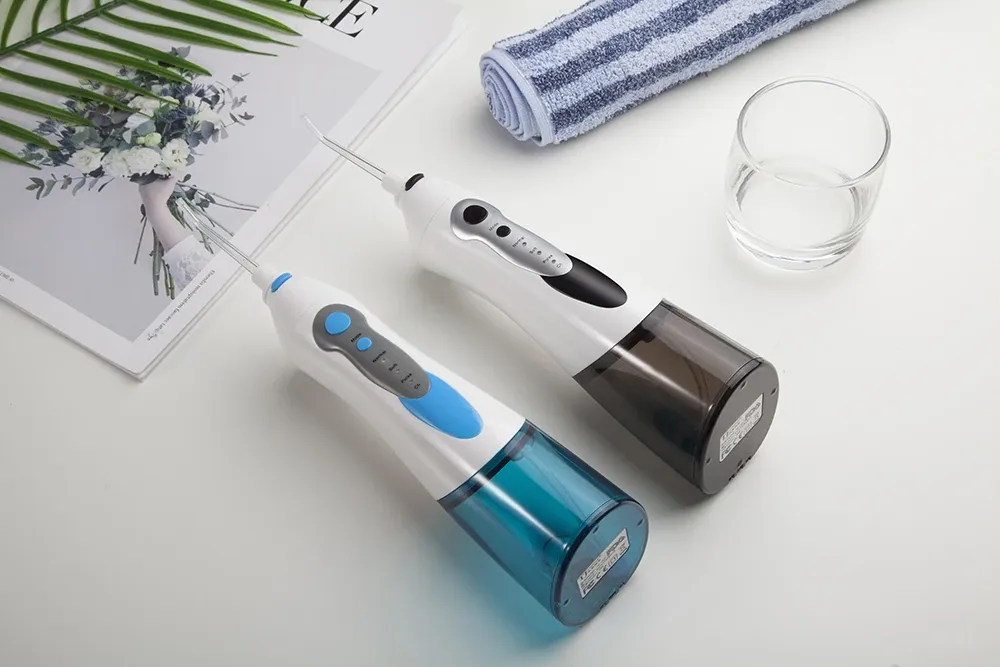
In the U.S., FDA lists oral irrigation units under product code EFS as Class I medical devices. A water flosser’s intended use, design and claims determine whether it fits this category. Registration, where required, is different from FDA approval.
What the FDA classification tells you
A water flosser directs water between teeth and along the gumline. The regulatory question concerns the finished product and its intended use, rather than the cleaning mechanism alone.
FDA lists oral irrigation units under product code EFS in its medical-device classification database. The entry identifies the device as a Class I category and generally exempt from 510(k) premarket notification, subject to the limits that apply to the device and its intended use.
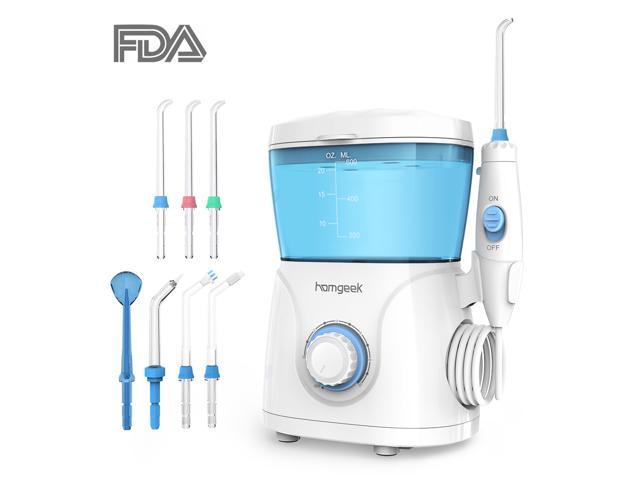
That classification is a starting point for regulatory planning. It does not turn every product with a pump and nozzle into the same regulatory case. Before choosing a route, document:
- what the product is intended to do;
- who will use it and where it will be sold;
- the claims that will appear on the label, packaging and website;
- whether the product is a standard oral irrigator or has an additional medical purpose; and
- which company will manufacture, import and distribute it in the United States.
Read the FDA EFS classification entry together with the requirements that apply to your specific product. A classification code is useful evidence, but it is not a blanket approval for every model.
FDA registration is not FDA approval
Registration, device listing and premarket review are different things.
An establishment may have registration and a device may be listed in FDA systems without FDA having approved or cleared the product. FDA explains that it does not issue a general “FDA registration certificate” for medical devices. A registration record also does not prove that FDA has reviewed a product’s safety or performance.
A supplier-issued or third-party registration certificate is not FDA approval. When reviewing a supplier’s documents, distinguish these statements:
- “The product is being assessed under FDA product code EFS” describes a regulatory planning step.
- “The establishment is registered and the device is listed” describes a record, not an approval.
- “FDA cleared” or “FDA approved” should be used only when the specific product and route support that statement.
See FDA’s explanation of registered and certified medical devices before using registration language in a product page or sales deck.
Who handles registration and listing?
FDA sets establishment registration and listing requirements under 21 CFR Part 807. Its activity-based table distinguishes manufacturers, contract manufacturers, initial importers and distributors. For example, foreign finished-device manufacturers generally register and list, while an initial importer registers and identifies the manufacturers rather than listing the device itself. A domestic distributor that does not import has a different role.
Agree on those responsibilities before shipment. The brand name on the package does not, by itself, tell you which regulatory role each business performs.
Does every water flosser need a 510(k)?
Not necessarily. The EFS classification entry is generally 510(k)-exempt, but the exemption has limitations. A new model, a different intended use, a therapeutic claim or a meaningful design change can affect the analysis.
Before a U.S. launch, check these points:
- Does the product fit the oral irrigation unit category?
- Is the intended use consistent with that category?
- Are the claims limited to the evidence and regulatory route available for the product?
- Does the manufacturer, importer and distributor have the responsibilities required for their roles?
- Are labeling, electrical safety, biocompatibility, software and performance documents appropriate for the model and market?
Have the responsible regulatory professional or U.S. importer confirm the route for the finished product. This article provides planning context; it is not a substitute for a product-specific regulatory assessment.
What OEM buyers should ask before a U.S. launch
Ask the supplier to describe the product in terms that can be checked:
- Intended use: What does the supplier say the device is designed to do?
- Model scope: Which exact model, nozzle set, battery configuration and accessories are covered?
- Evidence: Which tests support waterproofing, electrical safety, materials and performance?
- Labeling: Are the intended-use statement, warnings, instructions and importer details consistent across the package and online listing?
- Regulatory roles: Which party is the manufacturer of record, which party imports the product, and who maintains the relevant records?
- Claims control: Which statements are product features, and which would be medical or clinical claims?
Keep the answer tied to the model you plan to sell. A supplier’s general statement about “FDA compliance” does not automatically cover a new housing, a new pump, a new software feature or a different claim set.
FDA rules are only one part of market entry
The United States is one market. If the same water flosser will be sold in Europe, the UK or other regions, create a separate compliance checklist for each destination. The product name, intended use, electrical requirements, labeling and conformity documents may differ by market.
Do not turn a U.S. EFS classification into a global statement such as “FDA-approved and medically certified worldwide.” Keep the U.S. regulatory explanation next to the U.S. source, and assess other markets under their own rules.
How Relish Tech can support a water flosser project
Relish Tech provides OEM/ODM support for oral-care products, including product design, engineering, prototyping, tooling, assembly, packaging and model-specific testing coordination. Its certifications and quality page can be used as the starting point for reviewing the company’s quality systems and available compliance support.
For a water flosser project, the useful first step is to define the model and intended market. Relish can then help the brand discuss the pump, reservoir, battery, nozzle set, charging method, housing, packaging and documentation needed for the selected route. Regulatory support should be understood as project support; it does not mean that FDA has approved every product made by a supplier.
For product questions, see the water flosser OEM/ODM buyer guide or contact Relish Tech.
Contact Relish Tech for factory-direct pricing based on your model, configuration and order requirements.
FAQ
Is a water flosser a medical device in the United States?
FDA lists oral irrigation units under product code EFS as a Class I medical-device category. Whether a particular model fits that category depends on its intended use, claims and design.
Does an FDA registration mean FDA approved the water flosser?
No. Registration and device listing are different from FDA clearance or approval. FDA does not issue a general medical-device registration certificate.
Does every water flosser need a 510(k)?
No. The EFS category is generally exempt from 510(k) premarket notification, subject to applicable limitations. Confirm the route for the exact model and intended use.
What should an OEM buyer confirm first?
Confirm the intended use, model configuration, claims, responsible manufacturer and importer, labeling, test documents and the regulatory route for the target market.
What MOQ should I plan for an OEM water flosser project?
Relish Tech’s standard MOQ is 1,000 units. Discuss your configuration and project requirements with our team.